The Bowsprit
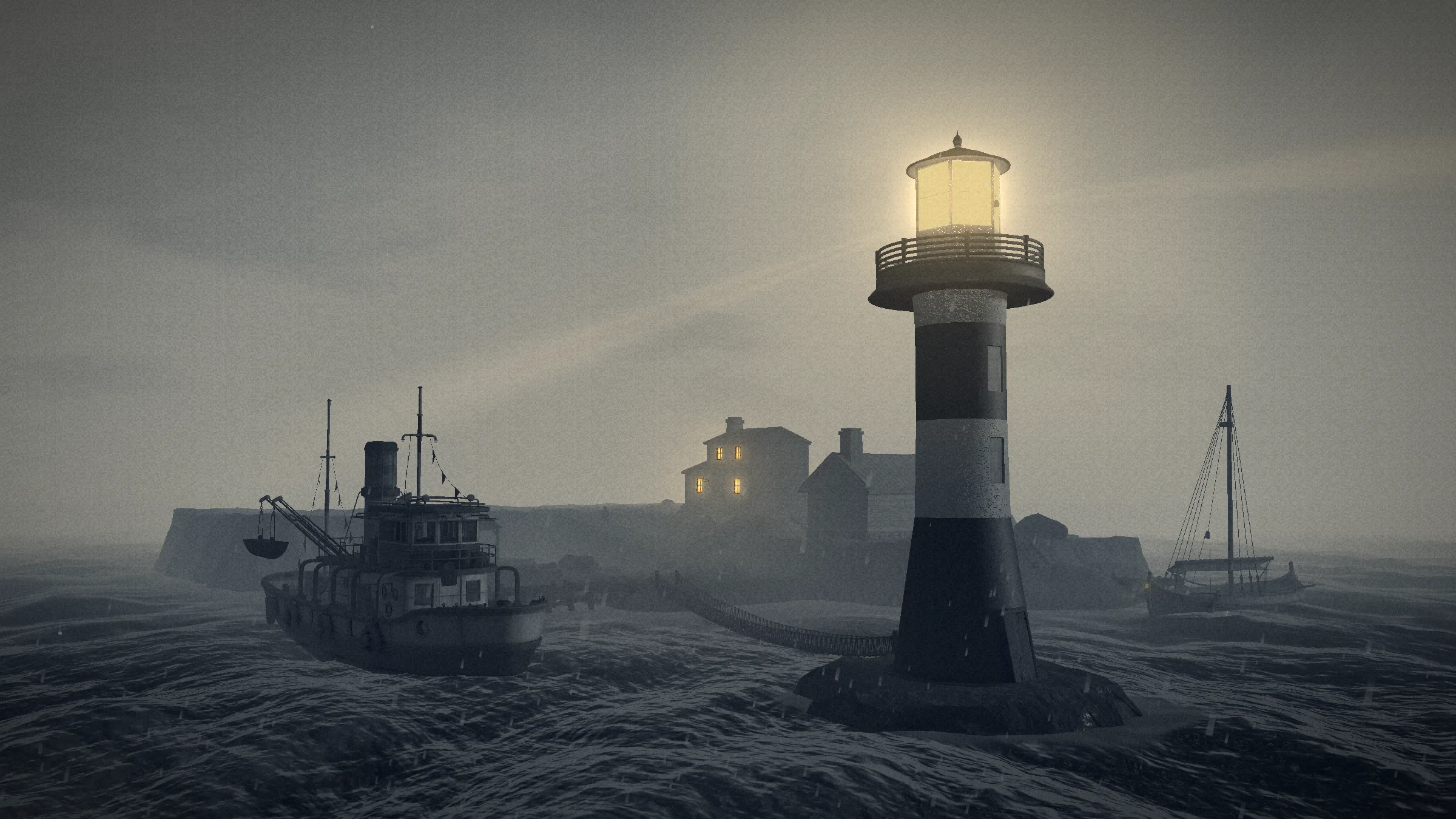
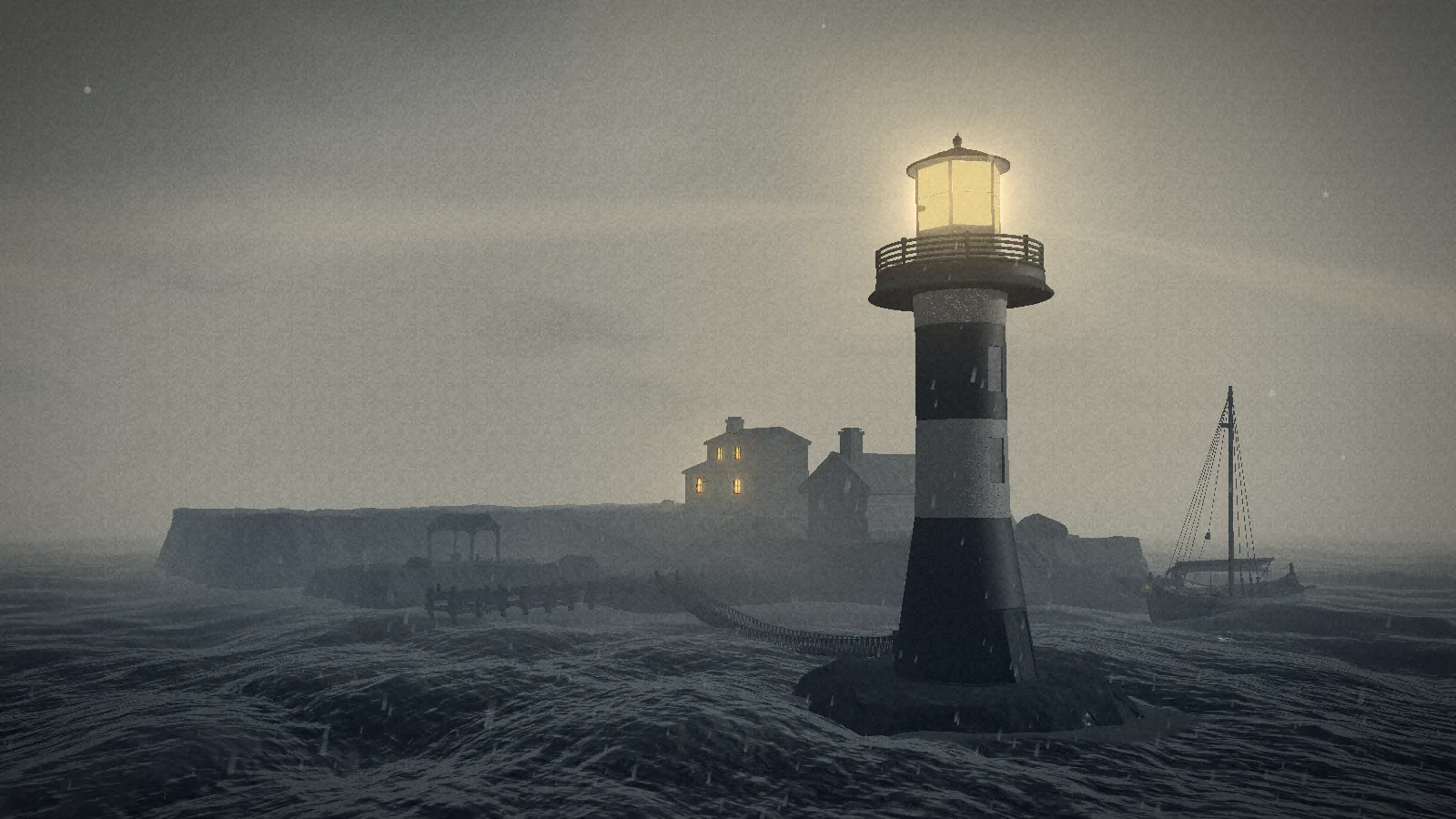
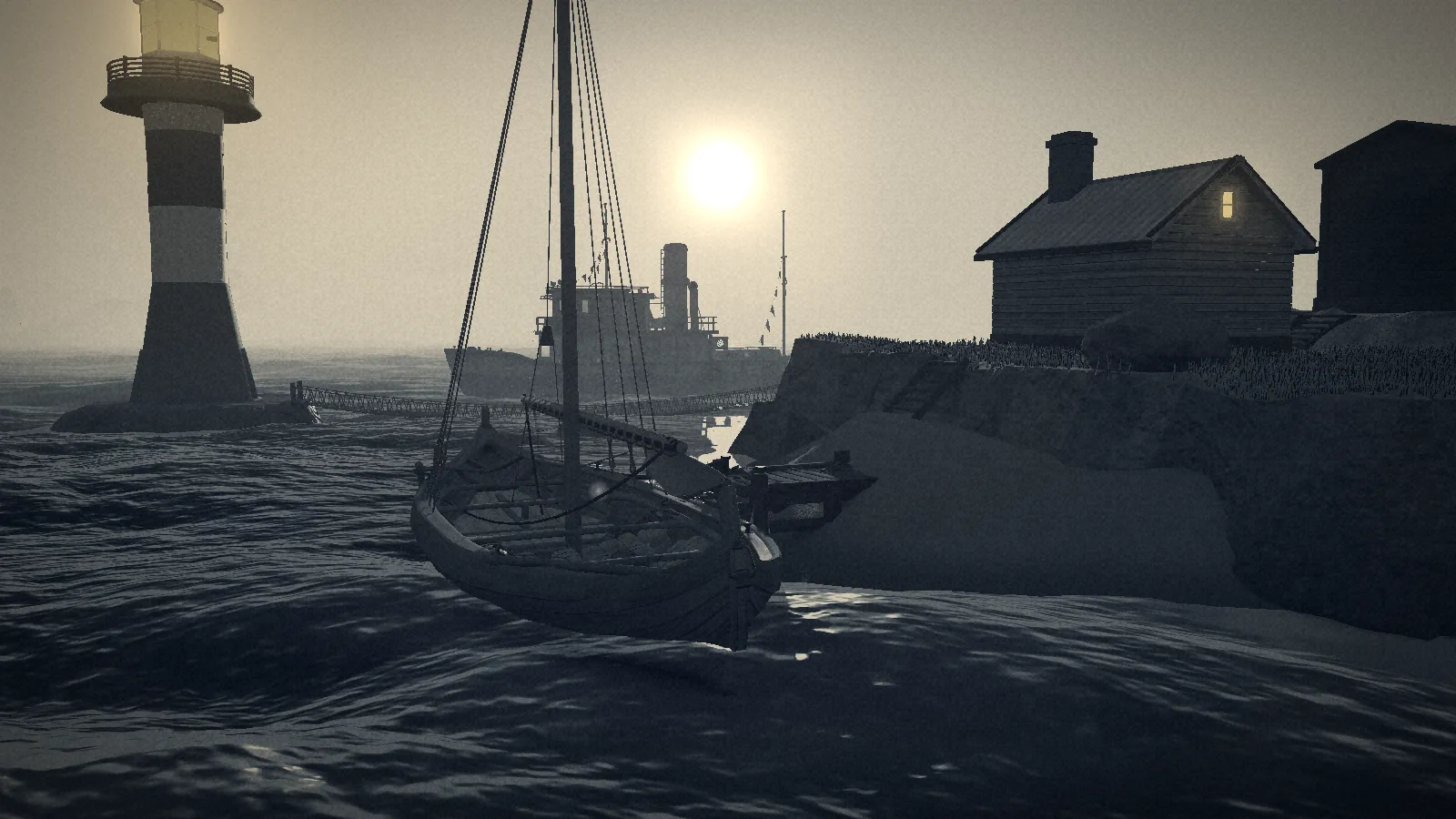
The lighthouse lit at dusk, the crab boat lying off the pier, the cottage windows warm behind.

01 · Lantern

Lantern

a keeper, an island, crab traps

A walking game about a lighthouse keeper’s work on a northern island.

You keep a light on an island in a northern sea. A cottage, a pier, the lighthouse, an ageing crab boat — and work that never quite ends: stoke the fire, mend what broke, put out to sea, set the traps, lift them, run the catch across the sound to Coldharbour, bring back diesel and ice.

Whether you sail is the sky’s decision, not the game’s. Barometer, wind, swell, the colour of the horizon: you read the weather yourself — there is no go / no-go indicator. There is no map with a “you are here” dot either. You hold the way in your head, by landmarks.

This is a game about labour, and labour costs something. Your strength runs down, diesel burns, fittings wear and fail, the coffee runs out. Nothing stops you from taking the boat out with no errand at all — but you come back on your own strength and your own fuel, and that is a decision too.

It is all drawn in one ink: navy where the light falls away, bone where it lands, and grain over everything, like a photograph taken out there on a slow plate with a cold hand. The one warm colour left in the world is fire — the lamp above, the stove, a window across the water — because at sea after dark that is the only colour that means anything: somebody is there, and you can steer by it. The sound works the same way. The diesel under your feet, gulls, the horn when fog is on its way, and long stretches of nothing but water moving.

Out along the pier to PROVIDER

What you do

  • Keep the light

    Fill the lamp before dark and keep it burning. Oil comes from across the sound, a can at a time, and a dry lamp is a dark coast.

  • Set the traps, then leave them

    Crab comes out of pots on buoy lines, not off a rod. Mark the ground, let them soak, come back and haul — the waiting is the work.

  • Read the weather yourself

    Barometer, wind, swell, the colour of the horizon. Nothing in the game tells you the sea is safe; you decide whether to go, and you live with it.

  • Find the way by eye

    No minimap, no marker over your head, no line drawn on the water. You learn the island, the sound and the lights, and you hold the way in your head.

  • Keep an ageing boat alive

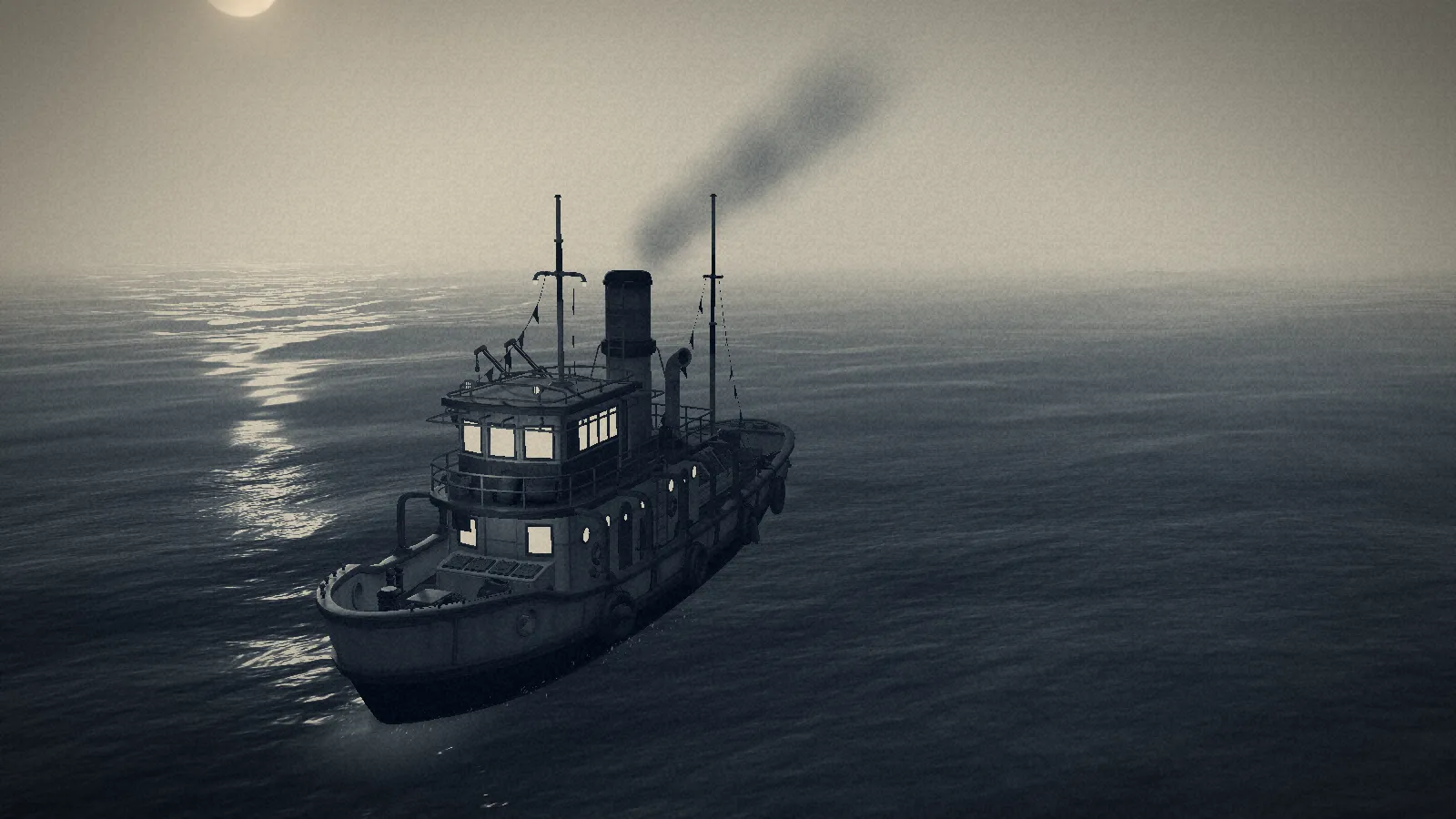
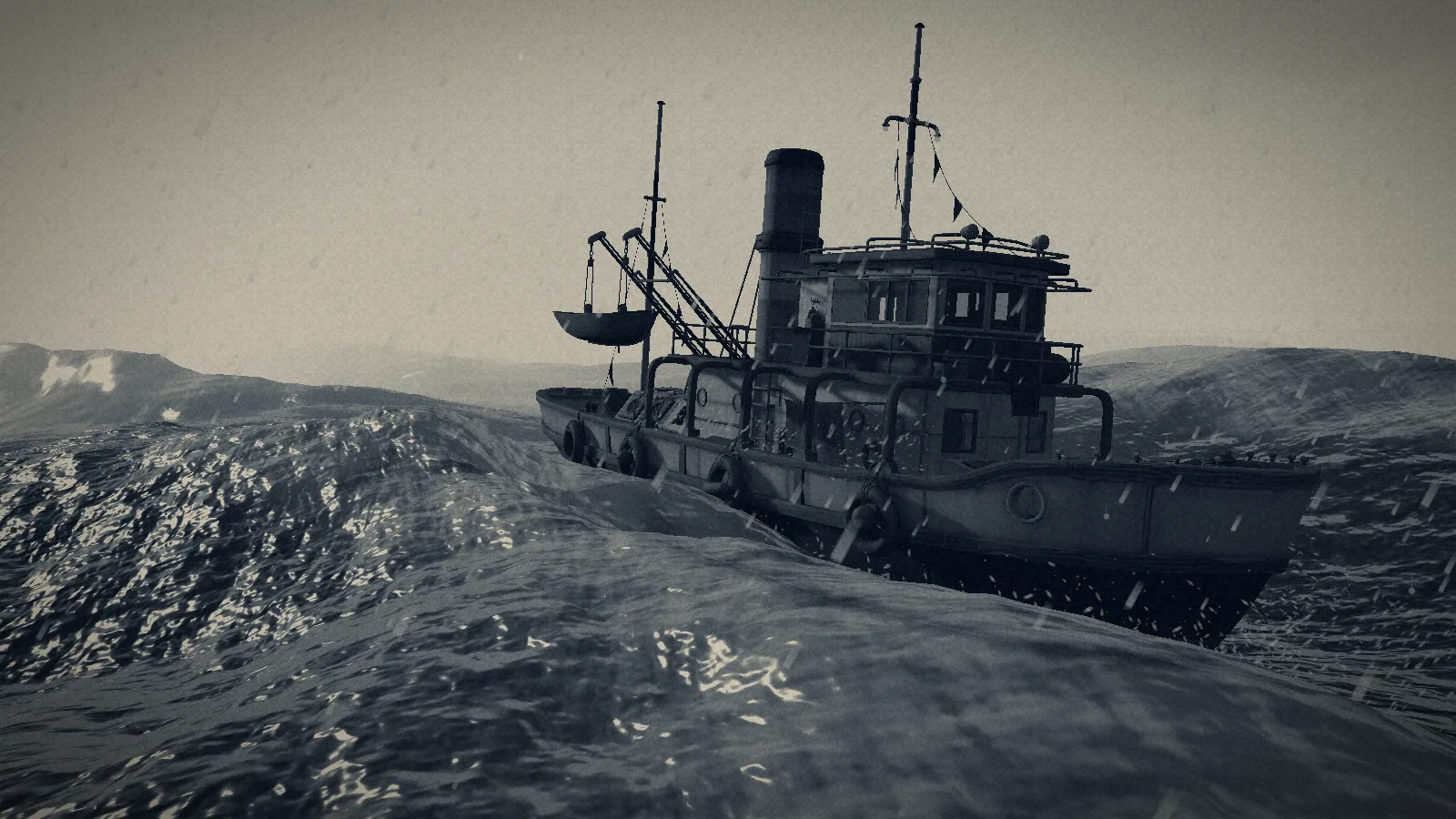
    PROVIDER burns diesel, and her engine, pump and steering wear out while she runs; what you scrape, she remembers. You carry repair kits, not upgrades.

  • Bring someone aboard

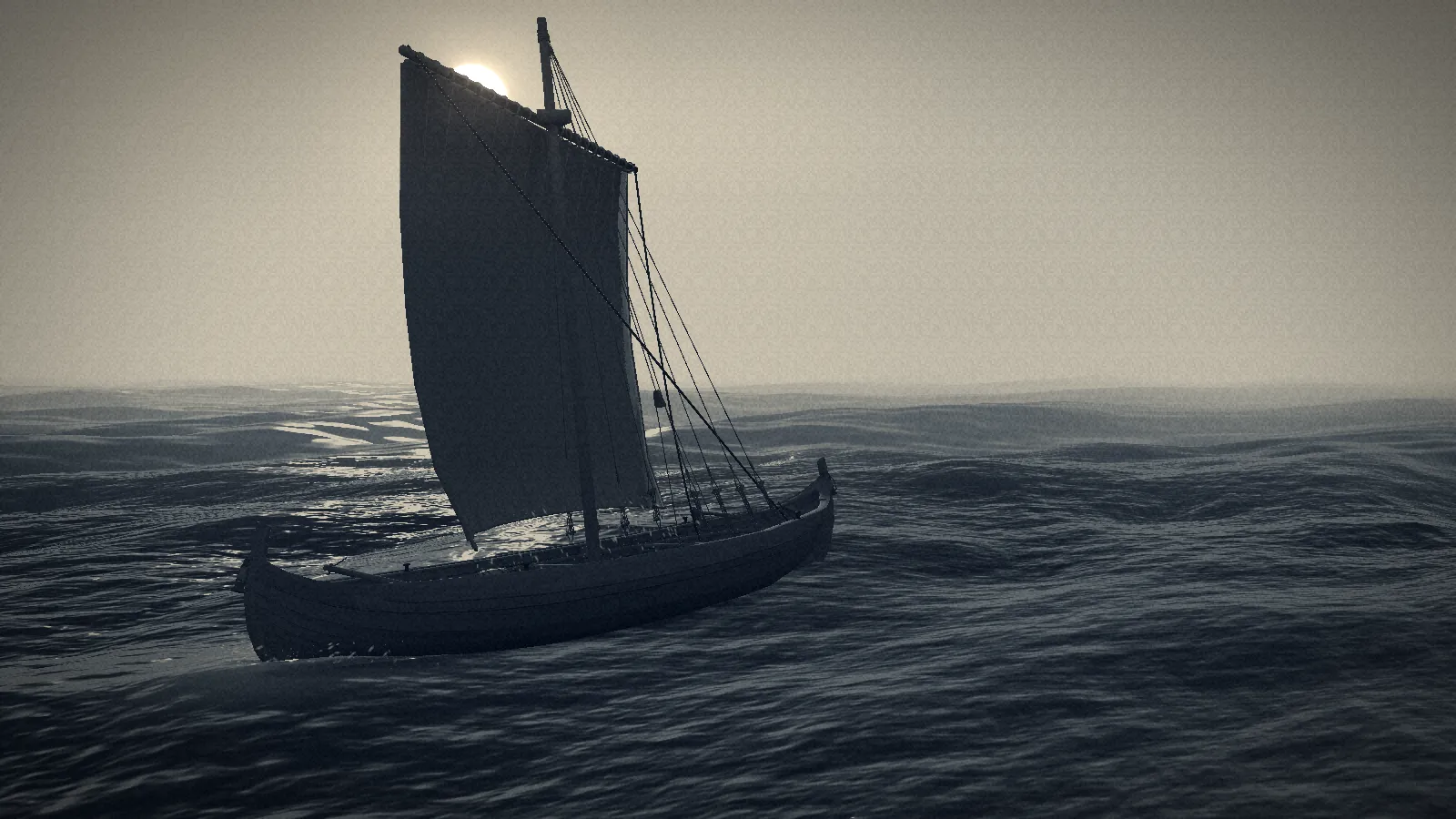
    A second keeper can sail SKARV, the knarr: she carries fuel, coffee and catch while the crab boat works, and the two tie up alongside to pass it over.

  • One ink, one warm colour

    Navy shadows, bone light, heavy grain. The only warm thing in the world is fire — the lamp, the stove, a lit window across the water.

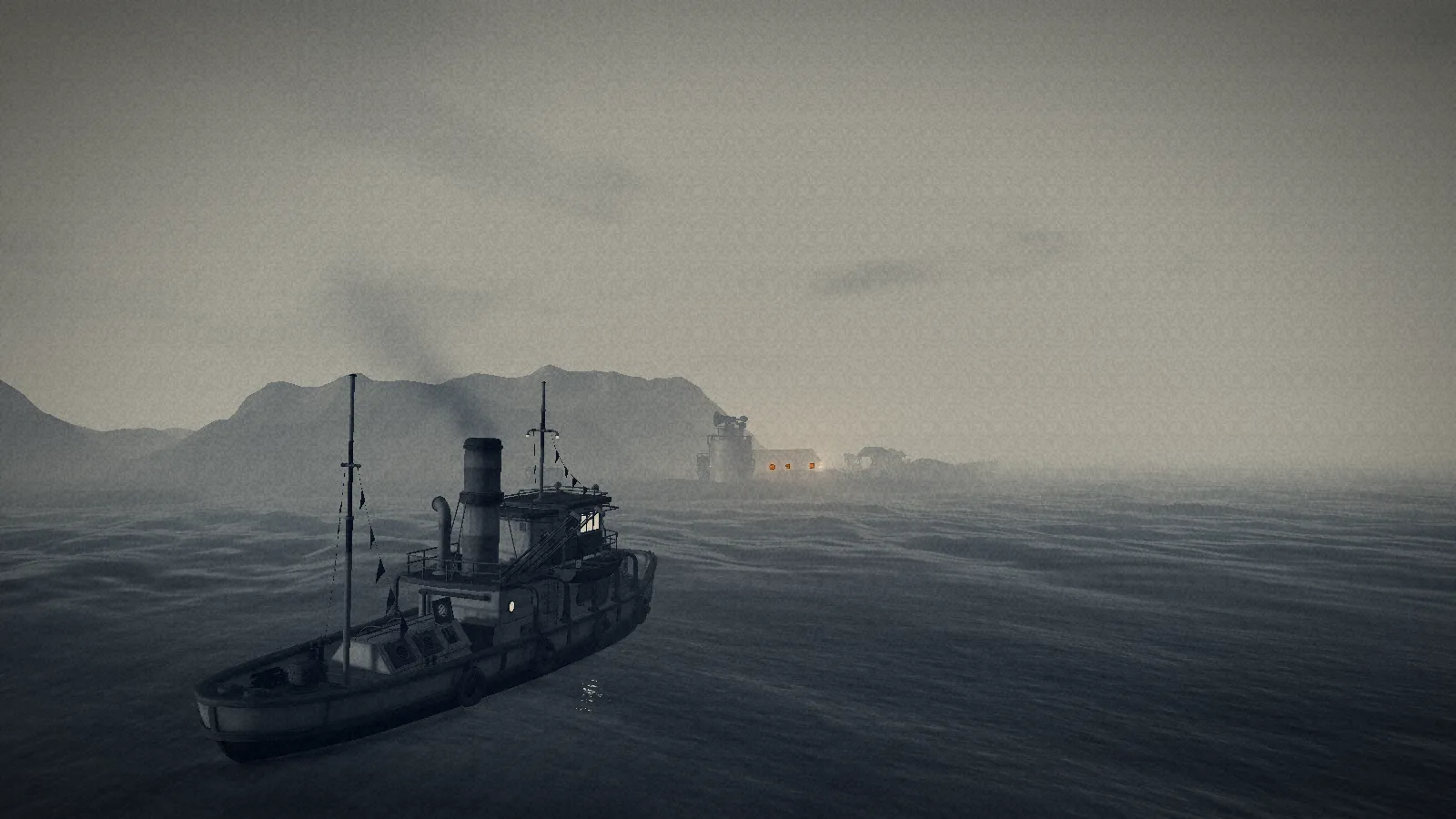
Out on the banks with weather in it

On the way

Written down and not in the build yet — this is where the game is going.

  • Bait in the traps, ice in the hold

    A pot fishes because something in it smells; a catch keeps because the hold is cold. Both become one more thing to buy, carry and run out of.

  • A fire to keep in

    Coal in the shed and a stove in the cottage: warmth as work, and the cottage as somewhere you come back to rather than somewhere you sleep.

  • A second keeper when you are alone

    In co-op a friend sails SKARV. On your own, the other keeper will sail her himself, and the island stops being a one-man job.

  • Weather with a season behind it

    Not just fronts coming through, but a year that turns: the good days rarer and the choice of when to work harder to make.

The lamp turning: a flash every seven seconds

Devlog

28 September 2026

Why traps, not a fishing rod

Set them by the buoys, leave, come back the next day. A game about waiting, not about casting.

Fishing in games is usually built like a slot machine: cast, strike, reward, cast again. It works — which is exactly why it is hard to put down, and exactly what I did not want.

Crab is caught in traps. You drop a string of them by the buoys, remember the spot, and leave. A day or two later you come back and see what walked in. Between setting and lifting the game gives you nothing, and that is the whole point: the day fills up with everything else. The fire, the repairs, the run across to town.

A side effect I like: you have to remember the place yourself. The buoy is small, the sea is large, and on the second day a similar bay looks like the same one.

20 September 2026The weather decides whether you sail

Barometer, wind, the colour of the horizon — and no go / no-go indicator anywhere.

There is no button that tells you today is not a day for sailing. There is a barometer on the wall, wind in the rigging, and a view of the horizon.

Weather lives in fronts: one or two across a game day, with smooth transitions between them. Pressure starts falling well before anything arrives — reading it is your job.

The traps will not wait, either: crab spoils in them. Nobody makes the choice between risking it and losing the catch for you.